
Hidden Temple creates a tense path where silence, distance, and timing shape each move. Its appeal comes from secret rooms that reward careful reading instead of rushed movement. This article is written for JL4 players, to help them understand temple route logic, aiming to build steadier decisions.
Secret room system in Hidden Temple
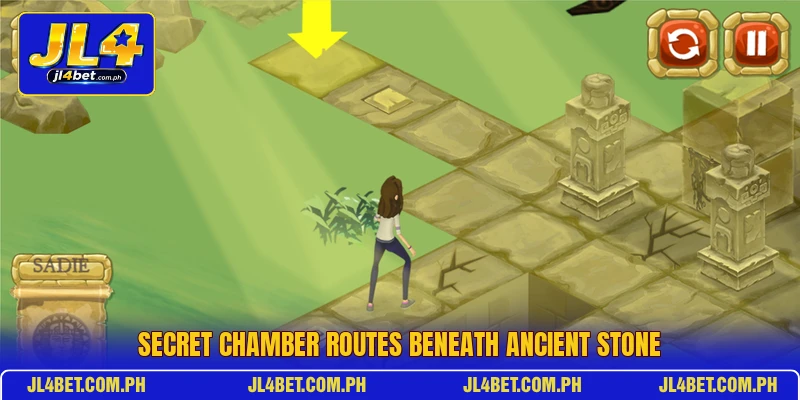
Secret rooms create the main rhythm behind each route choice. Hidden Temple feels clearer when every chamber is read as a space with pressure, reward, and timing. JL4 keeps the layout focused on movement judgment, so route control matters more than random speed.
- Stone entrance: The first room gives wider movement space, though cracked walls already suggest hidden pressure behind calm scenery.
- Lower vault: This narrow chamber rewards slower movement because treasure placement often sits near corners with poor exit timing.
- Torch corridor: Flickering light changes visual rhythm, so early direction choices need care before the next room becomes tighter.
- Hidden stair: A concealed stair can shorten the route, but the entry point often appears after a slower observation phase.
- Idol chamber: This central space carries higher reward value, though its shape makes careless turns harder to correct safely.
- Dust gallery: Heavy shadows reduce clear reading distance, so steady movement becomes more useful than sudden lane changes.
- Sealed exit: The final room asks for patient timing because escape often depends on reaching a narrow gap cleanly.
Ancient traps in Hidden Temple
Ancient trap design turns each quiet room into a test of control and awareness. Small signs can change the safest route before danger becomes obvious.
Flying arrows in Hidden Temple stone walls
Flying arrows punish rushed movement because their warning signs can appear before the first shot leaves the wall. A small crack or carved hole may reveal the danger early. Careful players often survive by reading wall rhythm before crossing open floor space.
Arrow traps become harder when several walls fire with uneven timing across the same route. The safest step is rarely the fastest one during this pressure. A short pause near cover can protect progress while keeping the next movement lane visible.
This trap works best as a spacing challenge rather than a simple reaction test. Players who move too early often lose control near the second arrow path. Stronger runs usually come from counting the firing gap before moving through the exposed area.
Collapsing floor after standing too long
Collapsing floors create pressure through stillness because waiting can become more dangerous than movement. In Hidden Temple, cracked tiles often warn that the safest spot may soon vanish. The route feels tense because each pause must balance observation with the risk of sudden collapse.
This hazard changes how players treat corners, treasure spots, and narrow lanes. A reward near weak flooring can look easy until the tile begins to break. Better control comes from stepping in with purpose before leaving through a prepared escape angle.
View more: Ancient Relics – Lost Ruins With Silent Puzzle Depths
Late rooms make this trap more serious because weak tiles may appear beside other hazards. A slow decision can block the route before the next safe space is reached. Strong movement means reading floor texture early while avoiding long stops on suspicious ground.

Stone statues changing direction unexpectedly
Stone statues create threat through misdirection because their facing angle can change without long warning. Hidden Temple uses this movement to make still objects feel unstable. A statue that looked harmless near entry can become dangerous after the route bends around its base.
The main risk comes from assuming that a statue keeps the same path pressure forever. Some statues turn after a short delay while others react near certain floor spaces. Safer movement depends on watching the statue position before crossing its attack line.
This trap adds variety because route memory alone cannot solve every room. Players need to adjust when a statue creates a new blocked side. Calm route correction matters more than speed because panic often leads straight into the next hazard zone.
Dead ends creating time pressure
Dead ends build pressure by turning a wrong path into lost movement time. Hidden Temple uses these routes to punish careless exploration without making every mistake final. The danger grows when a blocked passage appears after several earlier choices seemed safe.
A dead end can also hide small rewards that tempt players away from the main route. That choice becomes risky when the return path includes moving hazards or narrow timing checks. Strong judgment means measuring reward value against the time needed to escape.
Later sections make dead ends feel sharper because each wrong turn affects future timing. A route that seems harmless early can delay entry into a safer chamber. Better runs come from reading room shape before chasing every side path too quickly.
Safer exploration tips for Hidden Temple
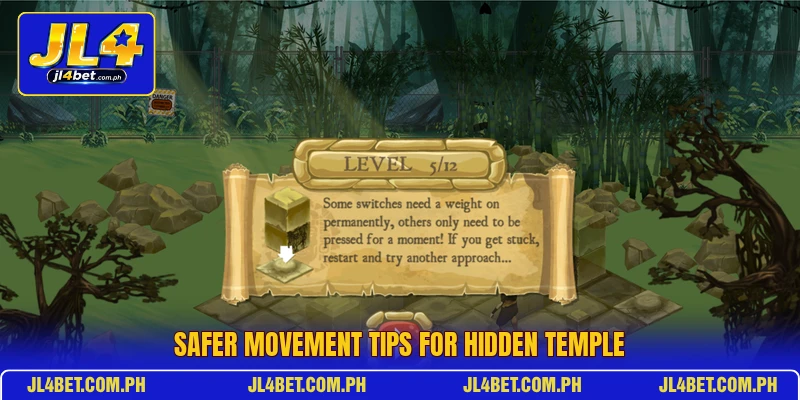
Safer exploration depends on steady judgment rather than constant forward movement. Hidden Temple becomes more manageable when players treat each room as a short timing puzzle. JL4 frames the path with clear visual pressure, so safer choices can be built from careful spacing.
- Read room edges: Walls, cracks, and corners often hint at danger before the central path becomes unsafe.
- Pause before reward: A brief stop near treasure helps reveal trap timing without forcing a rushed exit.
- Track safe pockets: Small empty spaces can reset movement rhythm when several hazards begin to overlap.
- Avoid blind turns: Sharp corners should be entered slowly because hidden traps may sit just beyond view.
- Count trap rhythm: Repeated hazards often follow a pattern, so measured timing can reduce unnecessary mistakes.
- Leave early: A room should be exited once the route looks crowded because extra reward can cost control.
- Use memory carefully: Previous routes help, but changing statues or weak floors can still alter safe movement.
View more Category: Arcade
Conclusion
Hidden Temple works because its rooms make timing, space, and awareness feel connected. The best approach is not reckless speed, but calm movement through traps that reward careful reading. JL4 suits players who enjoy this slower adventure style, so create an account when ready.