
Treasure Runner builds a fast treasure route around timing, lane reading. Each round feels clearer when movement stays tied to hazards plus measured reward choices. This article is written for JL4 arcade fans, to help them understand core route play with the aim of building cleaner steadier route decisions.
Overview of the Treasure Runner concept
The game uses a running format where treasure routes change through pressure, spacing, and quick reactions. Treasure Runner feels direct because every lane asks for a small decision before the next danger appears. A calm rhythm matters more than rushing, since careless movement can turn a safe path into lost progress.
Visual cues carry much of the game flow, so each obstacle should be read before movement begins. JL4 presents the title through a simple arcade structure where reward paths stay easy to follow. The strongest sessions usually come from steady hands, patient turns, and sharp attention to lane changes.
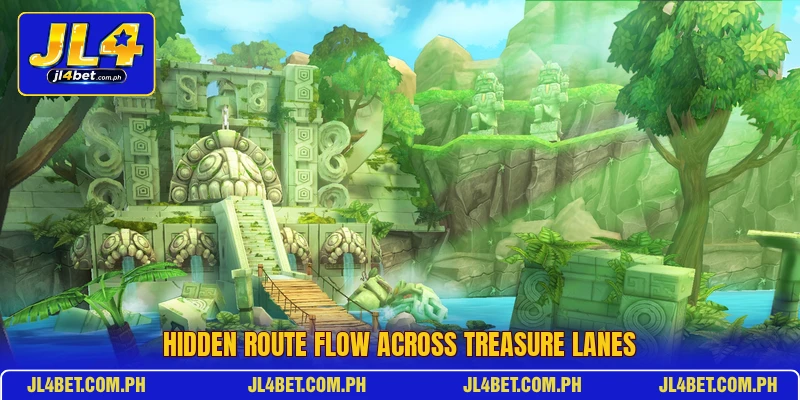
Treasure track system in Treasure Runner
Track design shapes how each run develops from the first step to later pressure. Treasure Runner uses narrow route changes to test timing instead of forcing complex commands. JL4 keeps the system readable, so players can judge risk through movement distance, spacing, and reward placement.
- Main lane: The central route gives the clearest movement path, yet it can become risky when obstacles begin to overlap.
- Side path: A side route may hold better reward value, though entry timing must stay clean to avoid sudden loss.
- Moving gap: A moving gap rewards patient waiting, since early crossing can break momentum before treasure is reached.
- Turn point: A sharp turn asks for slower control, because fast input can push the runner toward a blocked lane.
- Safe pocket: A safe pocket gives short relief during pressure, but staying there too long can reduce reward rhythm.
- Final stretch: The closing route often feels crowded, so earlier positioning decides whether reward collection stays possible.
- Split route: A split route asks for early lane choice, because hesitation can leave the runner trapped between uneven obstacle patterns.
- Treasure curve: A curved section hides reward timing inside movement angle, so clean turning matters before collection speed becomes useful.

Collectible treasures in Treasure Runner
Treasure collection depends on position, timing, and reaction quality during each active run. Reward value feels clearer when route pressure is treated as part of the scoring rhythm.
Coins near obstacles in Treasure Runner
Coins placed near danger create a choice between safe movement and higher collection value. The best approach starts with reading the obstacle pattern before chasing the visible reward. A close coin can look simple, yet the wrong angle may force a late correction that breaks the whole route.
Each coin near a hazard should be judged through distance, speed, and available recovery space. A clean grab needs enough room after collection, because the runner still has to exit safely. The coin matters less than the full movement line, especially when the next obstacle is already entering view.
Careful timing can turn risky coins into stable points without making the route feel forced. A player who waits half a beat may collect fewer items, yet keep stronger control across the run. This style suits longer sessions because it protects rhythm while still allowing meaningful reward growth.
View more: Temple Escape X – Ancient Runs With Sharp Pressure Design
Bonus chests on side routes
Bonus chests usually sit away from the safest route, so they ask for wider movement planning. The side lane can look tempting when the main path feels crowded. Still, the entry point matters most because a late move may trap the runner between two returning hazards.
In Treasure Runner, a side chest works best when the route back to center is already clear. The reward should not be treated as separate from exit timing, since both parts shape the same decision. A chest collected too late can leave no clean angle for the next section.
Strong chest collection often comes from choosing fewer attempts with better timing. This keeps the run balanced because treasure value rises without adding constant panic. When a side lane looks uncertain, skipping the chest can preserve score rhythm for later sections with safer reward windows.
Score chains from continuous collection
Continuous collection builds score pressure because each missed item can interrupt a strong sequence. The chain feels simple at first, yet it becomes harder when obstacles begin to cut across the route. A good run needs smooth spacing so rewards can be reached without sudden direction changes.
A score chain in Treasure Runner depends on steady movement more than fast chasing. The runner should follow a readable line where each collected item prepares the next step. This creates cleaner control, since the route forms a rhythm instead of a series of rushed reactions.
Long chains need patience when a tempting reward appears outside the current path. Breaking position for one item may weaken several later pickups. Better scoring usually comes from protecting the active line, then rebuilding the chain when the track opens into a safer pattern again.
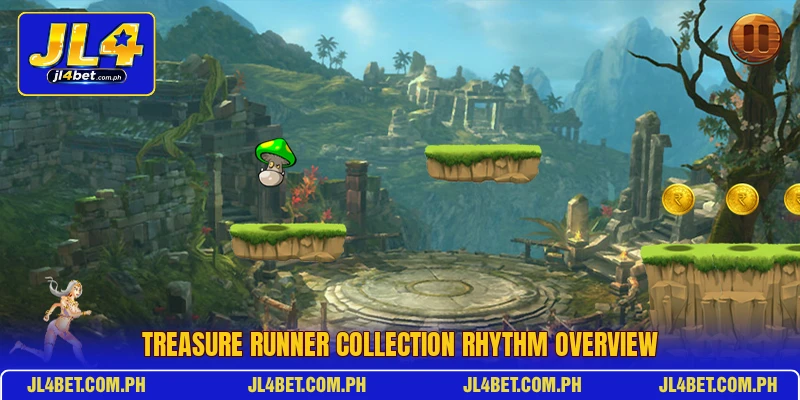
Temporary reward magnet items
A temporary magnet changes reward collection because nearby items can move into reach. This effect can make crowded sections feel easier for a short period. Still, the item should be used with control, since the runner must survive the same hazards while extra rewards are being gathered.
The magnet in Treasure Runner gives its best value when activated near dense treasure zones. It should not replace route planning, because poor movement can waste the effect before real value appears. The strongest use comes when the runner is already positioned near a safe lane.
Magnet timing also affects score chains because collected items may arrive faster than expected. That faster pace can help recovery after a missed route, yet it can also distract from obstacle reading. A stable player watches the track first, then lets the effect support reward collection naturally.
View more Category: Arcade
Conclusion
Treasure Runner works best when route reading, reward timing, and obstacle control stay connected. JL4 presents a compact arcade format that rewards patience more than rushed movement. Keep each run measured, and good luck with the next treasure chase.