
Lost Island builds tension through an isolated shore with limited supplies, plus shifting danger. Its appeal sits in route reading rather than loud effects or forced complexity. This article is written for focused JL4 players, to help them understand island survival logic for the purpose of choosing a steadier route.
Overview information about Lost Island
A deserted island setting gives the game a clear survival frame from the first route choice. The main loop usually lasts around 3 to 5 minutes, which keeps every action close to the next risk point. Movement, collection, timing shape the rhythm without turning the session into a crowded rule sheet.
The core design of Lost Island relies on readable pressure instead of heavy visual noise. Energy can fall by roughly 8 to 12 percent across each longer path segment, so slow reactions affect later choices. A completed route may include 6 map zones, with each zone adding stronger pressure through distance, spacing, or resource limits.
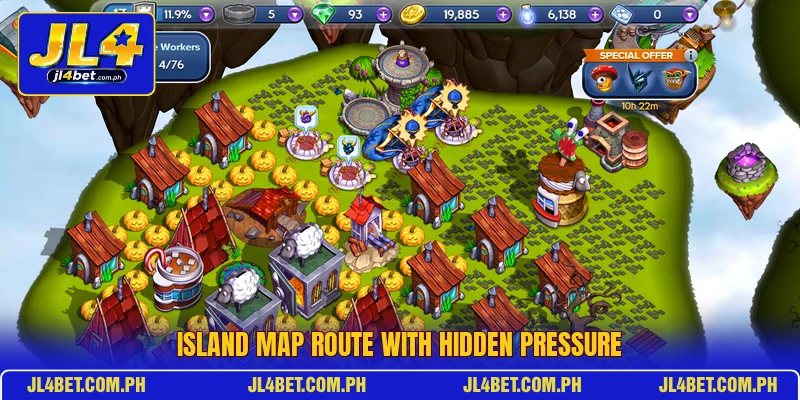
Exploring the island map in Lost Island
Map reading works best when each area is treated as a separate pressure zone. Lost Island uses distance, terrain shape, item placement to create steady route decisions. JL4 keeps the island layout easy to follow, so movement judgment stays more important than random guessing.
- Shoreline path: This opening area gives wider space for movement, though scattered rocks can punish early careless turns.
- Broken bridge: A damaged crossing creates a timing check because the safest step often appears after a short pause.
- Dense palms: This shaded route hides smaller gaps, so calm movement matters more than sudden speed through narrow lanes.
- Cave mouth: A darker entry point can hold useful supplies, though visibility changes make rushed direction shifts risky.
- River bend: Water slows the route rhythm, which means later timing must adjust before another obstacle appears.
- Signal hill: This higher section gives clearer route vision, yet its reward path often sits beside sharper danger.
- Tidal cave: A wet lower route can hide rare supplies, though slippery timing makes each turn harder near narrow exits.
- Old watchtower: This raised point helps check nearby danger, but reaching it often requires careful energy control before climbing.
Survival challenges in Lost Island
Survival pressure feels stronger when simple meters begin to affect every route decision. The challenge layer turns small delays into larger risks across connected island spaces.
Energy loss over time in Lost Island
Energy pressure creates a quiet timer that affects the entire route. A player may start with a full meter, but each long detour can remove around 10 percent before the next safe zone. This system makes clean movement valuable because wasted steps reduce late route options.
The meter does not only punish slow travel because poor collection habits also affect survival pace. Food items may restore 15 to 25 percent depending on placement, so timing matters before the route becomes crowded. Saving every item too long can also fail when a hazard blocks return access.
Strong play comes from matching energy use with map distance. A short path may protect the meter, while a longer branch may contain better supplies. The best route is rarely the flashiest one because survival depends on reaching the next zone with enough control left.
View more: Hidden Temple – Secret Rooms Beneath Ancient Stone Danger
Island creatures block the path
Creatures add moving pressure that changes the value of each lane. In Lost Island, a crab line may block a beach path for 3 seconds while birds can force sudden pauses near open ground. Their routes are simple at first, but overlap makes late movement less forgiving.
The safest response is not always speed because many creatures follow repeated patterns. A snake near tall grass may leave one clear gap after each turn, so waiting can protect progress. Fast input during that moment can push the character into another threat before the path settles.
Creature pressure also affects resource choices during longer rounds. A player holding a shield item can cross a blocked path, but careless use may waste protection before the harder section begins. Better timing keeps the route stable while preserving tools for the most crowded spaces.
Hidden traps beneath the sand
Sand traps create danger because the surface can look safe until movement is already committed. Lost Island places these hazards near tempting rewards, which makes greedier paths harder to judge. A buried pit may trigger after one step, so small pauses can reveal safer ground.
Trap design usually follows a readable rhythm after several attempts. Some weak sand patches sit near broken shells, while others appear beside narrow turns. Learning these cues reduces surprise loss because visual details start to guide route planning before the next step happens.
The main mistake is treating every open patch as free space. A clean route may skip one reward cluster to protect health, especially near the middle of a longer run. This choice can feel conservative, but it often keeps the final section reachable with fewer emergency reactions.

Resources need timely use
Resources matter because they turn pressure into a planning problem rather than pure reaction. In Lost Island, a rope, torch, or small food pack may change the best route within a few seconds. Holding every item can seem careful, but late use often loses value after danger closes.
A torch helps inside darker paths where movement cues become harder to read. Rope can shorten a climb by around 4 seconds, which may protect energy before the next hazard. JL4 places resource value inside timing choices, so items work best when matched with map pressure.
Good resource timing also depends on round length. A short route may need only one support tool, while a full island path can require several careful uses. Players who spend items only during real pressure usually keep better control when the final zone becomes tighter.
View more Category: Arcade
Conclusion
Lost Island works best when survival, map reading, resource timing stay connected. Its island structure rewards patience without making the rules feel heavy or unclear. JL4 players can create account access naturally, then approach each route with steady judgment and good luck.